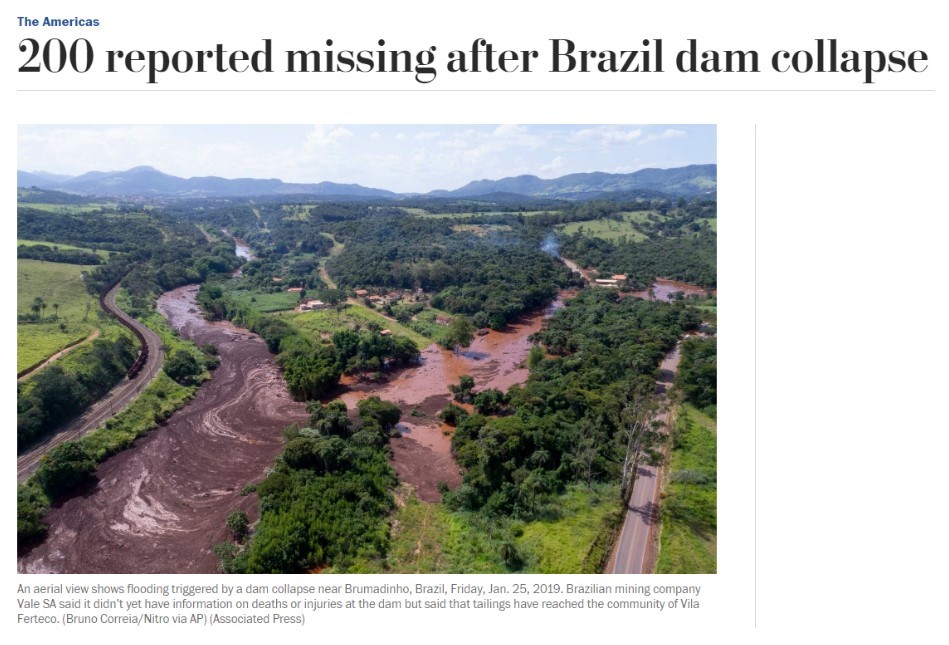
In January last year a mines tailings dam collapsed near Brumadinho, Brazil causing the deaths of 270 people and sparking a major Disaster Victim Identification (DVI) operation to identify the victims. The Forensic Comparison Software was used to compare tattoos from the remains of one of these victims to provide a positive identification
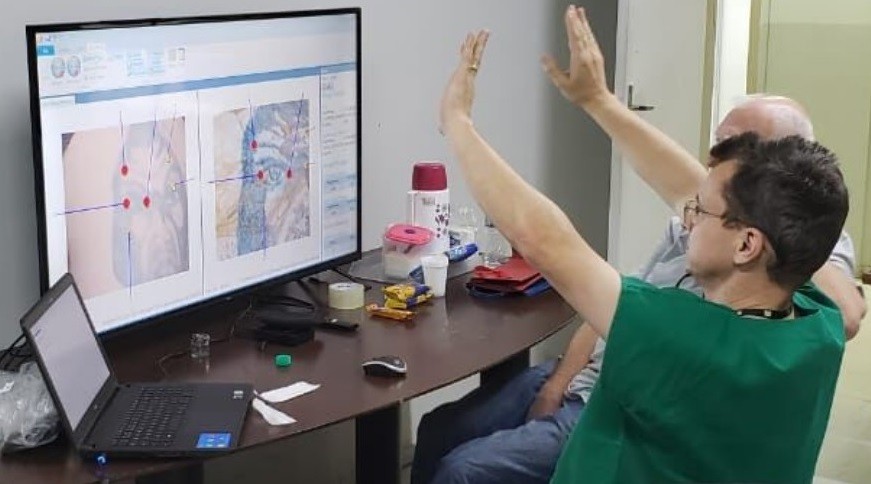
One of the DVI experts involved in this operation was João Batista Rodrigues Júnior, a Medical Examiner and currently the Coordinator of the Morgue of the Legal Medical Institute of Belo Horizonte, Minas Gerais, Brazil. He sent me photos showing the FCS software being used to analyse and compare a tattoo from the remains of a previously unknown victim of this disaster against the tattoo records of a known person. The identity of the person was then established so that they could then be released to relatives for a proper burial.
It is well known in law enforcement, and in legal circles generally, that establishing the identity of a deceased person is a central requirement for the proper investigation of the circumstances of the death and the release of the remains to the victims’ relatives. DVI or Disaster Victim Identification is a formalised process that is used by Forensic Practitioners to identify deceased persons in mass casualty events such as the dam collapse in Brazil.
This example shows how the FCS software can be used to compare, analyse and mark up the identifying features of the two tattoo images in order to come to a conclusion on identity in a DVI situation. The various tools of the FCS were used to make notes on the tattoo that were in agreement between the tattoo from the victims remains and the medical records of the victim. The medical experts were then able to conclude that they were of the same person. These notes are then saved to a case file and later presented in the Coroners Court as a record of the identification process and conclusion.
The Forensic Comparison Software was designed primarily as a tool for Fingerprint Examiners but as this example shows, it can also be used for other Forensic Disciplines where any two digital images can be compared, analysed, and notes made to support a conclusion.