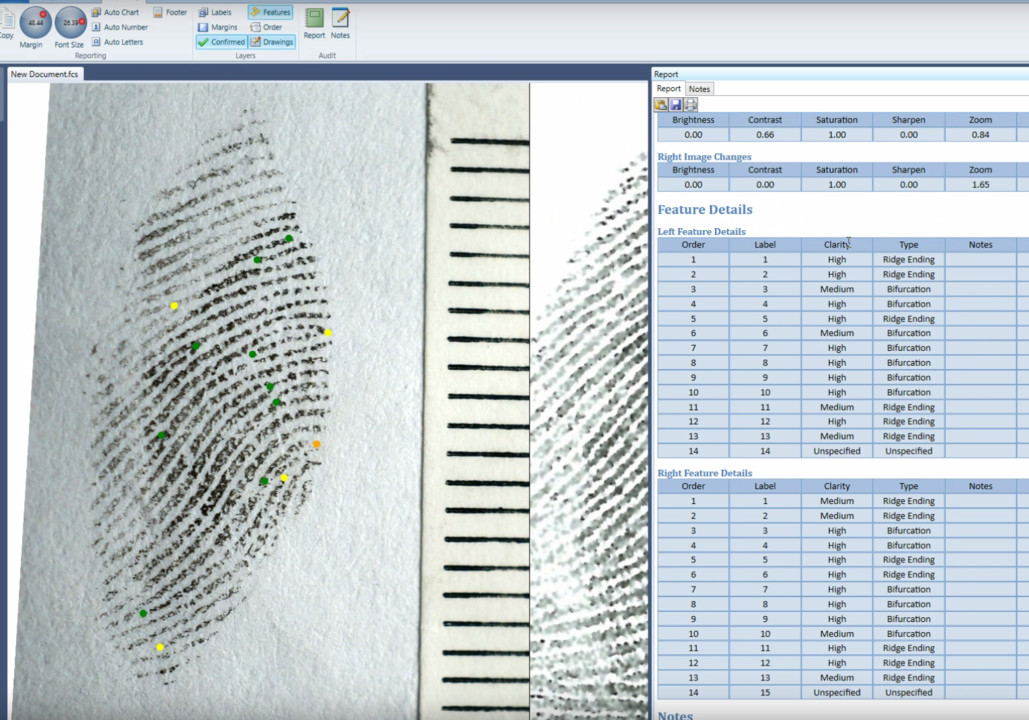
In my experience, the practical application of ACE+V has been difficult to implement in the real world of Latent Fingerprint comparisons. The theory is sound, no doubt, but the impediment to taking up this methodology is that there is a lot more time to conduct every ACE+V examination than was ever involved the traditional method.
The traditional method combines the analysis, comparison, and evaluation into one step that occurs in the mind of the examiner and notes are usually limited to a conclusion rather than the process undertaken. ACE+V methodology teases out this mental process and observations that takes place in the eyes and mind of the examiner and attempts to explain and qualify these processes in note form for others to judge any conclusions.
We are therefore going from “Trust me, its him” to “I have concluded, that there is a high probability that these two impressions have the same source”, or similar, with the accompanying notes to back it up. The observer is then brought into the process as a participant and verifier of the conclusion rather than being left on the outer with an appeal to authority on the part of the examiner. The former is in line with the scientific method, the latter is not.
Fine, we can agree that we should use ACE+V if we are going to have any claim to being a science. The problem is that we are increasing the work load of examiners substantially while maintaining the expectation that case throughput and results will be unaffected. Lets all admit here and now that moving to the ACE+V will necessarily increase the time for examinations to be conducted. Hands up anyone who has had their staff numbers increased to provide for the shift to ACE+V.
The problem then is, given that we must move to the ACE+V method, how do we maintain our throughput and effectiveness as a crime solving tool?
One such solution may be to automate the note taking. Using technology to allow the examiner to make quick and thorough notes during the examination can reduce the time for this task dramatically. The reproduction of those notes in a professional and easily understood format including such tools as GYRO can also save time as well as improve the credibility of the examiner in the eyes of the courts. (See Forensic Comparison Software)
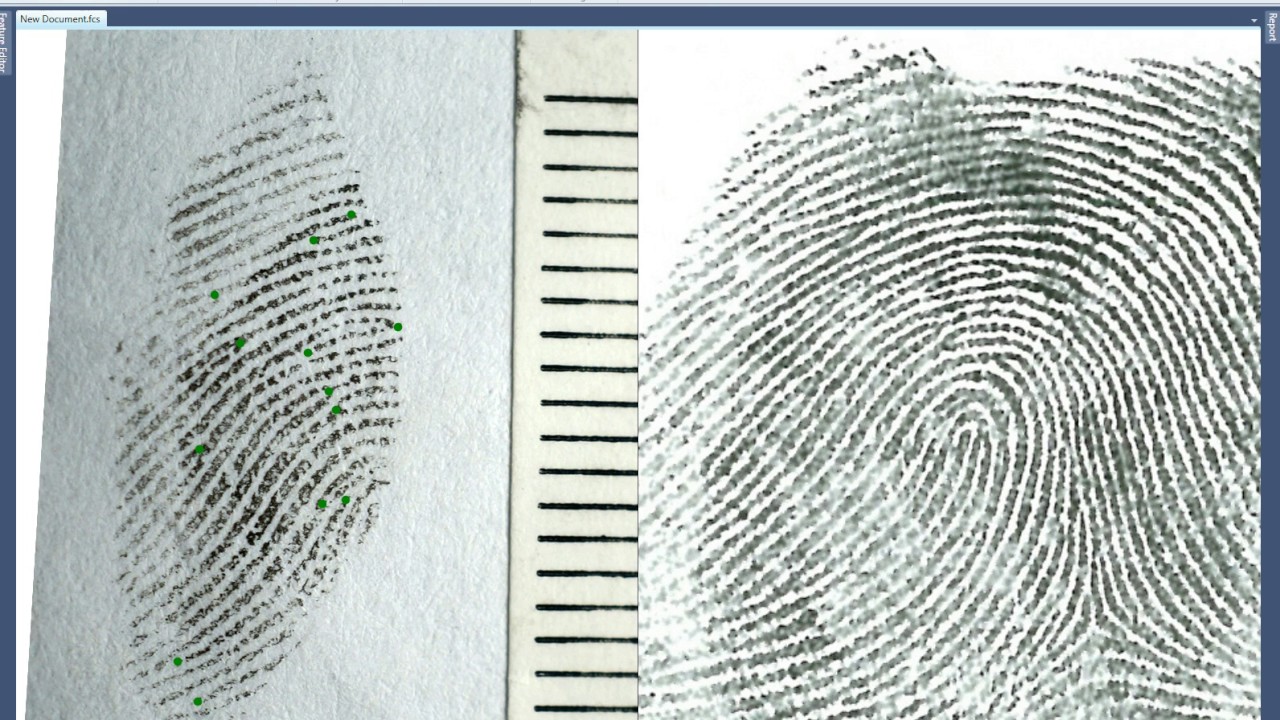
Another solution is to reduce the time taken in other case work tasks. As a former latent case worker and supervisor of latent case workers, one of the tasks that takes the most time is the manual looking or searching of outstanding latents against suspect or victim sets of prints. In major cases, for example, an examiner may already have a suspect or victims prints to check against all the outstanding latent images. That examiner will sometimes spend weeks accounting for every ridged skin fragment before they feel confident that they have done that case justice and can therefore move on.
The latent examiner may feel that if they just spend one more day on this case they will identify the latent fragment that will solve the case. Even so, there have been studies that up to 10% of latent fingerprints are missed in case work (Utilizing AFIS searching tool to reduce errors in fingerprint casework, Langenburg et al.) One possible solution is to use case specific AFIS tools to dramatically reduce this manual search time of those outstanding latent fragments. (See Forensic Comparison Software + AFIS tool)
Watch embedded video 2 on YouTube
For further information contact me at john@forensic-software.com or go to http://forensic-software.com/